Category Archives: Writing

Best Fiction And Writing Blogs

Kurt Vonnegut

The best fiction and writing blog posts from around the ‘net, with advice and inspiration guaranteed to make you a literary legend. Compiled by kurt.

Pippa GoldschmidtWhat’s more important, #editing or #first draft?
J.C. WolfeInner Writer vs. Inner Critic
SemperiteStop. Edit. Continue
Allison Maruska3 Steps To Writing An Effective PLOT TWIST
Donna HendersonOn Writing
J. S. MalpasPlanning Your Novel in Three Steps
Abbie LuTop Five Fiction Favorites
Mike FullerAnd My Shadow
Kurt Vonnegut8 Tips on How to Write a Good Short Story

The Paris Massacre, Awareness, and Writing

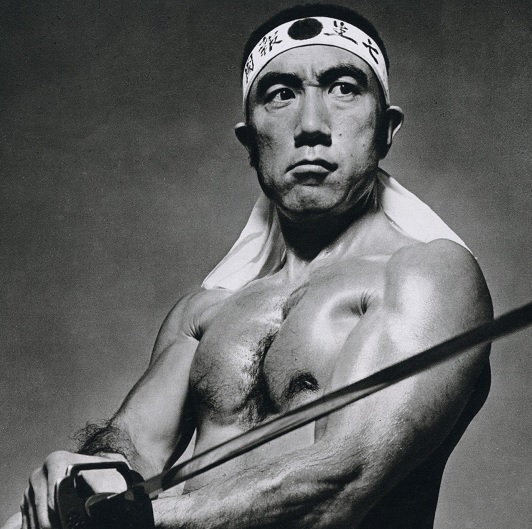
Musashi

Like many others, the horrific massacre in Paris got me to thinking about how I would have reacted to a terror attack. A number of articles have popped up on the Internet stressing how situational awareness improves your odds of surviving acts of terrorism and similar emergencies. I couldn’t help but notice the ties between situational awareness and writing.

I’ve previously made the case that intense physical activity sharpens the mind and senses. Famed Japanese swordsman Miyamoto Musashi argued the same in his classic The Book of Five Rings. And now we have science that bolsters Musashi’s insights. From Psychology Today:

Musashi referred extensively to training vision and perception through martial arts, but now there is modern evidence in experimental psychology to support his assertions and show that visual abilities can be enhanced with such training. …

Writing in the journal “Attention and Perceptual Psychophysics,” Monica Muinos and Soledad Ballesteros from the Department of Basic Psychology in Madrid, Spain wanted to know if sports training that relied heavily on dynamic visual acuity could interfere with the normal decline in this ability. Using a tracking task where the participants had to rapidly determine the direction and characteristics of object motion, they studied young (less than 30 years) and older (more than 60 years) adults who either had no sporting background or who had training in judo or karate. Not surprisingly, martial arts athletes—both judo and karate—had better dynamic visual acuity scores than non-athletes. This result supports the idea that martial arts training may enhance dynamic visual acuity.

In the following clip, Matt Damon (as Jason Bourne) explains how attention to seemingly trivial details is essential to survival:

Awareness of the fine details others overlook is something every writer must develop. As Stephen King wrote in On Writing, “Skills in description, dialogue, and character development all boil down to seeing or hearing clearly and then transcribing what you see or hear with equal clarity.”

As I’ve said before, the act of reading and writing stories isn’t just a diversion from life, it is life itself.

Why Writers Run

Marathoon

Most folks think of writing as a monkish, abstract endeavor more akin to meditation than exertion. But there’s a vital connection between the discipline of putting one word after another and taking one stride after another, as Nick Ripatrazone explains in this must-read Atlantic article:

The steady, repetitive movement of distance running triggers one’s intellectual autopilot, freeing room for creative thought. Neuroscientists describe this experience as a feeling of timelessness, where attention drifts and imagination thrives. …

Since I’ve returned to distance running, I’ve changed the way I think about writing. Writing exists in that odd mental space between imagination and intellect, between the organic and the planned. Runners must learn to accept the same paradoxes, to realize that each individual run has its own narrative, with twists and turns and strains.

Writers and runners use the same phrase—“hit my stride”—to describe the moment when exertion and work become joy. Writers stuck on a sentence should lace their sneakers and go for a jog, knowing that when they return, they will be a bit sweatier, more tired, but often more charged to run with their words.

We know a sound mind in a healthy body is sharper and livelier because mind and body are not two separate entities. Each one affects the other. But Ripatrazone expands on this truth by proposing that running helps the mind harmonize with the rhythm and tempo of the body, stimulating the writer’s ability to “focus on a single, engrossing task and enter a new state of mind entirely—word after word, mile after mile.”

I fully agree, and would add that other physical activities also promote writing ability. I’ve found that weightlifting, a strenuous, repetitive, and somewhat dangerous activity, sharpens my focus and endurance, two qualities essential to getting words onto paper. Yukio Mishima even wrote a book, Sun and Steel, about the benign discipline lifting weights imposed on his writing. And Ernest Hemingway relied on boxing to help him break occasional writer’s block.

Best Fiction And Writing Blogs

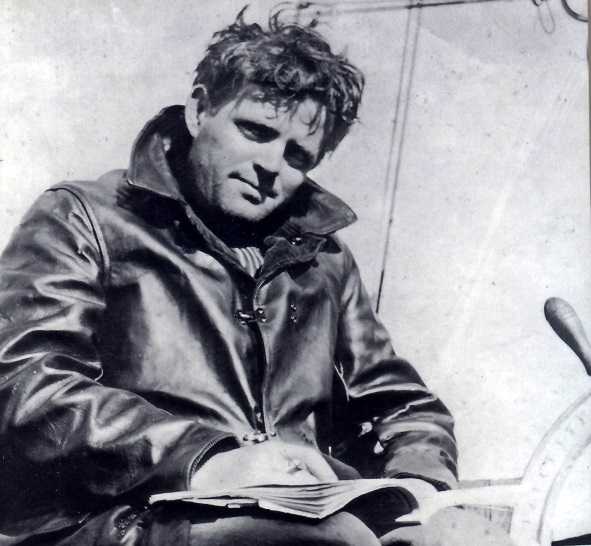
Jack London

The best fiction and writing blog posts from around the ‘net, with advice and inspiration guaranteed to make you a literary adventurer. Compiled by jack.

Anthony VicinoEnding Your Story Like A Boss
A. J.HumpageTricks to Hook Your Reader
Wallace CassThe Writing Lifestyle: It’s a Juggling Act
Jacqui MurrayMake Your Character Your Best Friend
J. C. WolfeWriting Prompts for Halloween
Sue VincentA Writerly Weekend
Jay Dee ArcherMy Take On This Whole Blogging Thing
Jack LondonGetting Into Print (yes, THAT Jack London!)

Best Fiction and Writing Blogs

LovecraftThe best fiction and writing blog posts from around the ‘net, with advice and inspiration guaranteed to make you a literary sensation. Compiled by lovecraft.

Alice OsbornHow to Set Better Boundaries
A. J. Humpage Why Character Actions/Reactions Are Important
Angela AckermanKiller Resources for Drafting Our Story
Jonathon SturgeonAn Introduction to Cosmic Horror (Wait – Lovecraft again?) Oh, yes.
James Scott BellThe Power of Voice
Jordan DaneAdding Depth to Your Fictional Relationships
Charlie AndersThe Philosophical Roots of Science Fiction

The Meta-Recipe

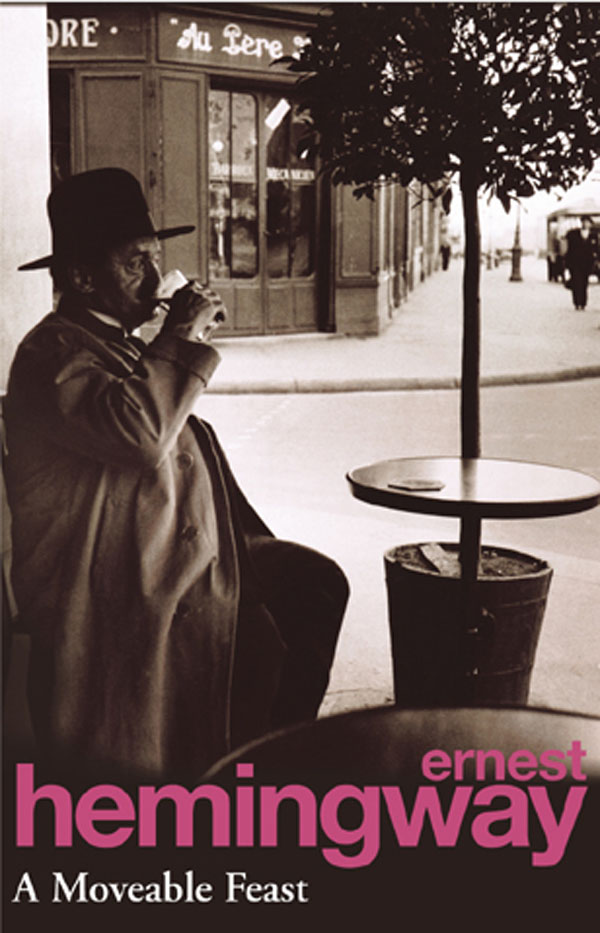
A Moveable Feast

Things got a little heated at the last meeting of our Sci-Fi/Fantasy critique group. One member said that the manuscript under review did not work. The reason, he insisted, was that a scene lasting two paragraphs of a ten-page story was exposition, and as everyone knows, “showing is better than telling.”

I disagree. Sometimes you enhance the pace with a little exposition. For example, does the reader really want a vivid, sensuous accounting of your protagonist fixing dinner? I’d say no — unless it’s central to the story.

And that’s the thing. A vital part of the writing craft is knowing when to apply the right rule. Even the best rule should not be mindlessly followed off a cliff.

Bill Daley, the Chicago Tribune’s food writer, recently offered what I call a “meta-recipe” for aspiring cooks. He calls it “10 steps six cookbook pros say you should follow to get the most from a recipe.” These steps offer sound advice for writers, too, about learning how to apply the rules of writing.

For example, Daley’s first meta-rule is: Cook! The more you cook, the more you will learn and the easier it will be to spot a recipe that’s “worthwhile or intriguing.” And the more writers write, the more “feel” they get for what works and why.

Daley also counsels that cooks should Listen! You want to hear the recipe’s “voice.” Judith Jones, the cookbook editor behind Julia Child and other cooking legends, says she wants the recipe to tell her “whoever wrote it had really done it and makes me feel the taste and texture just by reading it.” So a writer seeking direction should heed the insights of someone with actual publishing experience rather than someone who has not.

Daley’s best advice for cooks and writers, in my opinion, is Consider the audience. Should you substitute a jalapeno for the habanero your recipe calls for? Would Aunt Doris prefer a tangy dish rather than the blazing one your recipe calls for? And wouldn’t your potential readers prefer you to tone down your violence or sex scene?

Developing such judgment comes from experience, careful listening, and caring. Good advice for any craft.
Quote of the day

Ron Rash

“I was almost 40 when my first book was published, and I’d been getting rejection slips and rejection slips. But ultimately, it was not about getting published. It’s about doing this thing that I feel like is part of who I am. My life would be incomplete if I weren’t doing this.” – Ron Rash, author of Serena.

Best Fiction and Writing Blogs

mishima

The best fiction and writing blog posts from around the ‘net, with advice and inspiration guaranteed to make you a literary ninja. Compiled by mishima.

Nihar PradhanTravelling, Photographing & Writing
Jon Westenberg30 Reasons Why I Write
Marcy KennedyInternal Dialogue: The Secret Sauce to Fixing Problems?
James Royce PattersonFive Ways To Improve Your Writing’s Flow
DamyantiHave You Always Been A Writer?
C.S. WildeHow I Write
K.L. RegisterWhy Do You Write?
Samantha WhoThe Keeper of Lost Causes