Category Archives: Writing

Quote of the day

Picture by David Shankbone

“In order to be clear it is necessary to at least consider the possibility that we actually may not be. It requires stepping outside of one’s self, reading a sentence as if we were another person (not us) who didn’t understand, and even sort of admire the newly minted gold on the screen or the page. It requires a kind of humility, an ability not to take everything personally and to separate ourselves from our work. Clarity is not only a literary quality but a spiritual one, involving, as it does, compassion for the reader.” Francine Prose

For more thoughts on the social value of literature, see here and here.

Best fiction and writing blogs

Laura Ingalls Wilder

The best fiction and writing blog posts from around the ‘net, all guaranteed to make you a literary pioneer. Compiled by Laura Ingalls Wilder.

K. M. WeilandWriting as the Art of Thinking Clearly: 6 Steps
Hamilton PerezHow to Give Up Writing and Other Bad Habits
Tamara DrazicOutlining
D. Wallace PeachMy Bossy Muse
Nicola AlterKnocking People Out: Easier in Fiction Than In Real Life
Didi OviattThe Why #amwriting
Jacqui MurraySeries or Not a Series–How do You know?
J. C. Wolfe3 Pieces of Advice No Writer Should Ever Forget

… and a special bonus!

Adam RoweScience Fiction And Fantasy Book Sales Have Doubled Since 2010

Patience Is A Virtue

Patience is indeed a mindset you MUST develop if you’re going to write. Love the Rousseau quote, “Patience is bitter, but its fruit is sweet.”

evie gaughan's avatarEvie Gaughan

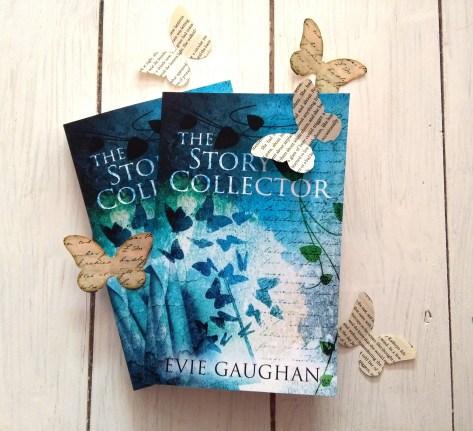
IMG_20180316_160150

There are many skills that an author needs to learn in this business of pub, patience being the most important.  Patience with yourself, as the magical story in your head makes its way stumbling and lurching onto the page with all the grace and skill of a toddler.  Patience with the world when it doesn’t immediately recognise your brilliance.  Patience with agents and publishers while you await their response to your submission.  And now, for me, a new kind of patience while I wait for my book to be released.

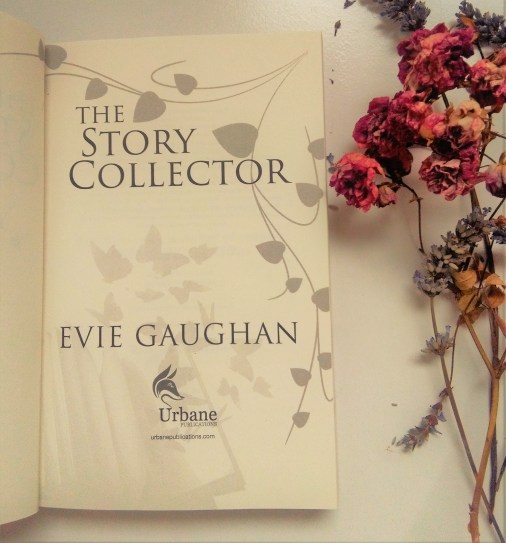
IMG_20180410_093419

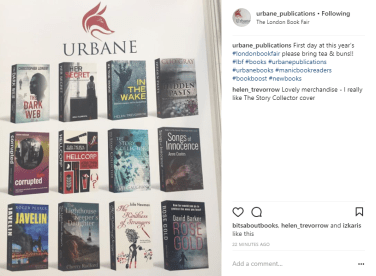
The advance reader copies have been sent out and happily, joyously, wondrously, the feedback is good 🙂  Editors and publications have been contacted, copy sent in.  The blog tour has been arranged.  And as we speak, my book (along with those of my fellow Urbanites) are being showcased at The London Book Fair.  THE LONDON BOOK FAIR!

lbf2lbf

As Jean-Jacques Rousseau…

View original post 261 more words

Best Fiction and Writing Blogs

Jack London

The best fiction and writing blog posts from around the ‘net, all guaranteed to make you a literary swashbuckler. Inspired by jack.

Jean M. CogdellWrite like a professional – get the chapters right
Sarah A. HoytWriting About Death
James Harrington Character Creation
Brenda Davis HarshamTop Ten Blogging Rules
D. E. HaggertyHow to get the writing done despite distractions
Cristian MihaiBuilding a personal brand as an artist
M. L. S. WeechWhy some covers just don’t look right
Nic Schuck Getting testimonials

Best Fiction and Writing Blogs

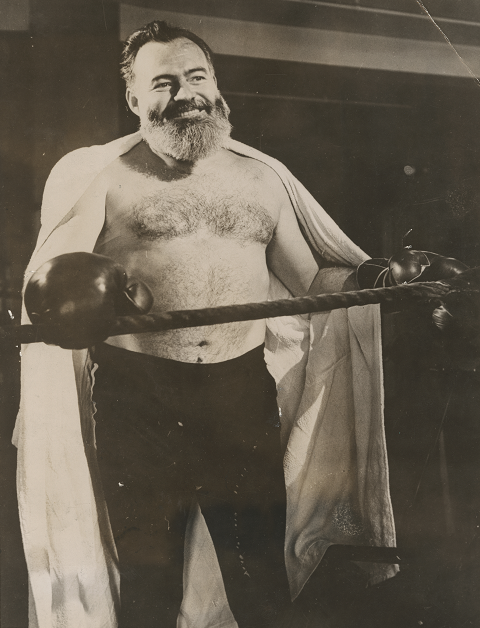
Ernest Hemingway

The best fiction and writing blog posts from around the ‘net, all guaranteed to make you a literary heavyweight. Inspired by ernie.

P. S. Hoffman3 Vital Keys to Every Great Horror Story
Kendra BoersenRevision, With A Side Of Existential Crisis
Emily Raper5 Misconceptions About Writers
Annika PerryWrite From Your Heart
Lionelson Norbert YongWhy I Chose Fantasy As My Genre
E. Michael HelmsSense and Sensibility [Not what you think!]
D. Wallace PeachThe Word Police
Ernest HemingwayHow to Write Fiction

Mickey Spillane’s Work Keeps Coming 12 Years After His Death

Mickey Spillane

I say it’s high time Mickey Spillane received proper appreciation for his raw, visual writing. Certain critics turn their noses up at him — still — but his work nevertheless continues to attract new legions of readers every generation. Maybe they see something the so-called critics don’t. From The Passive Voice:

Mickey Spillane was never adored by critics. He famously said that his own father called his work “crud.” For the mystery novelist, none of it mattered.

“I don’t have fans,” he said in a 1981 People magazine interview. “I have customers. I’m a writer. I give ’em what they wanna read.”

He died in 2006 at 88, but his work hasn’t stopped. In the past 12 years, his estate has released nearly 20 of his unpublished and previously uncompleted novels and short stories, some as graphic novels and audio plays, many of them featuring the hard-boiled private eye he created, Mike Hammer.

Mickey Spillane has long been a favorite of mine, and definitely exerted a deep influence on my writing. Few authors can match his mastery of first person pov. Jim Traylor, Spillane’s biographer, said this about Spillane’s rough-and-tumble prose: “It’s not very highbrow, but it’s very real. It’s very Old Testament. It’s eye for an eye, tooth for a tooth.”

And riveting. Not only did Spillane produce entertaining tales that still lure enthusiastic readers, but the brash new author who shocked readers with I, the Jury grew as an artist over the years. As novelist Max Allan Collins once noted, Spillane made the leap from “brilliant primitive” to “polished professional” over his long career. In 1995, he won the Edgar Allen Poe Grand Master Award for mystery writing, which over the years has also recognized Raymond Chandler, John le Carré, and Elmore Leonard. Pretty good company for a writer so many have dismissed as a hack.

The Stoic Writer

Writer

I have to share this article from Medium, one of the great writing resources on the Internet. While not targeted specifically at writers, this list of Stoic principles for regaining control of one’s life and time is pure gold for us scribbling souls. The article, 9 Stoic Practices That Will Help You Thrive In The Madness Of Modernity, quotes famous Stoic thinkers and provides examples of how these insights from ancient times can benefit us.

You’ll want to read the whole thing, but here are some outstanding selections, with my comments added:

1. Develop An Internal Locus Of Control

“Man is disturbed not by things, but by the views he takes of them.” — Epictetus

Much of what happens in life is not within our control. The Stoics recognised this undeniable truth, and focused instead on what they could do.

Born a slave, it would seem that Epictetus had no reason to believe he could control anything. He was permanently crippled from a broken leg given to him by his master. Epictetus would live and die in poverty.

But that wasn’t what Epictetus thought. He would say that even while his property and even his body was not within his control, his opinions, desires, and aversions still remained his. That was something that he owned.

You can find dozens of articles stressing that your characters must have agency, that is, the ability to evaluate, decide, and act, but step one for any writer is to develop and exercise their own agency. You want to write, but darn it, there are bills to pay, friends who want you to watch the big game, and those new cat videos on You Tube are so funny! Who’re you fooling? It’s not external things stopping you from writing – it’s you.

Interesting characters with agency affect their own story. As writers, we must take an active role in writing the stories of our lives.

3. Don’t Outsource Your Happiness

“I have often wondered how it is that every man loves himself more than all the rest of men, but yet sets less value on his own opinions of himself than on the opinions of others.” — Marcus Aurelius

Much of what we do stems from our primal need to be liked and accepted by others. Disapproval from our social group had serious repercussions in the past. It would have likely meant exile and eventually death in the wilderness.

That’s still true to some extent today. But how much time and effort do we spend trying to win the approval of others? What is it costing us?

Your PC dings, you check your email, and there it is – another rejection. Yes, it’s a let down. We all know how scary it is to hit that submit button. But a rejection is no excuse for self-pity. First of all, editors reject pieces for all sorts of reasons. Your piece may be similar to a submission they’ve already selected, it may be the wrong length, it may be a fantastic piece of writing whose tone doesn’t fit with the editor’s current theme. Or mood. Or whatever.

More important, it’s self-defeating to put your pride as a writer in the heads of strangers. Yes, we want others to read and appreciate what we’ve put so much of our hearts and time into. But we must accept the fact that not everyone will embrace every piece.

6. Consolidate Your Thoughts In Writing

“No man was ever wise by chance” — Seneca

Of the many things we can do daily, none are as important as looking inward. The act of self-reflection forces us to question ourselves and examine our own assumptions of the world. It’s how the answers to some of the world’s biggest questions have surfaced.

Modern life is abuzz with distractions. There are dazzling time-wasters and cleverly packaged temptations that can quickly lead you astray. Taking the time to gather and organize your thoughts by writing them down is not easy, but the very act of writing forces you to focus and think clearly. That’s the way to find our true selves within the modern whirlpool. Our passion to write is our path to liberation.


BEST FICTION AND WRITING BLOGS

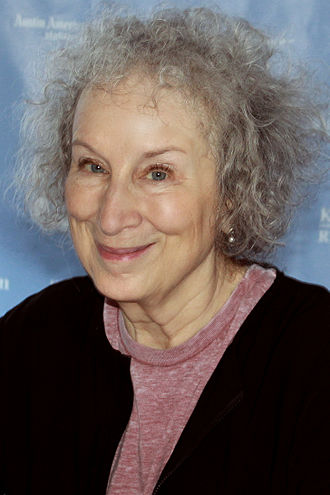
Margaret Atwood

The best fiction and writing blog posts from around the ‘net, all guaranteed to make you a literary rock star. Inspired by Margaret Atwood.

Margaret Atwood10 Rules of Writing
J.C. WolfeMy Self-Publishing Experiment
Vian De BodHow To Describe Characters Without Infodumping
Lionelson Norbert YongBuild An Amazing Plot!
Andrew McDowellCount Your Lucky Length
Tim MillerThe Great Myths #26: Sigurd Kills the Monster Fafnir
Jamie RyderAn Awesome Tale Of Appalachian Folklore
W. J. QuinnWhy writers, and not just stories, need structure

Storytelling: It’s about Going Primal

We’ve talked about the paleo diet and lifestyle before, but here’s a great post on the vital role paleo plays in the stories we enjoy reading. The post, by author E J Randolph, appears at Jami Gold’s blog, one of the best writing resources on the web. Check it out:

The evolutionary imperative at the level of our genes is to “eat, survive, and procreate.” Our brains evolved to solve the obstacles to these goals, and the same basic brain functioning operates today in every sphere of our lives—including writing. … For a story to ensnare our attention though, we need a big problem to solve. We are interested in how others solve problems in different situations. We may need that knowledge. It is imperative we remember or are told which berries are poisonous, which plants are edible, where the best places to hunt are.

We are riveted by big problems. The bigger the problem, the better the story.

Absolutely! As James Bell counsels, every effective story has to be about death. It doesn’t have to be about physical death; a protag can grab and hold our attention if he’s confronting other forms of death, such as professional death, or the death of a relationship. (Of course, since making a living and personal relationships are vital to one’s survival, those struggles indirectly involve physical death.)

Our goal is to craft a story that enchants readers with beauty and emotion. Evocative details that trigger the senses as well as believable, interesting characters are important, but most important is a realistic threat the protag must face. Pull those elements together, and you’ve created a story that slush pile editors and readers will love.