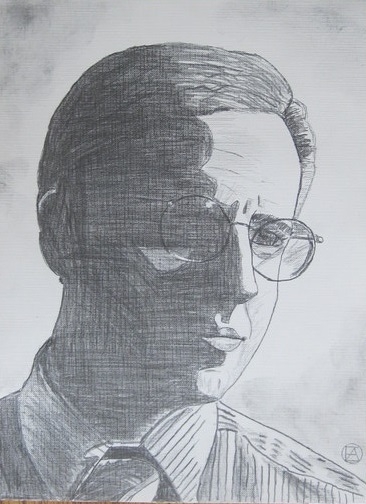
Liz O’Connor, who has already honored me by following my blog, sent me this pencil portrait, which she based on my About photo. I love it!
Liz O’Connor, who has already honored me by following my blog, sent me this pencil portrait, which she based on my About photo. I love it!
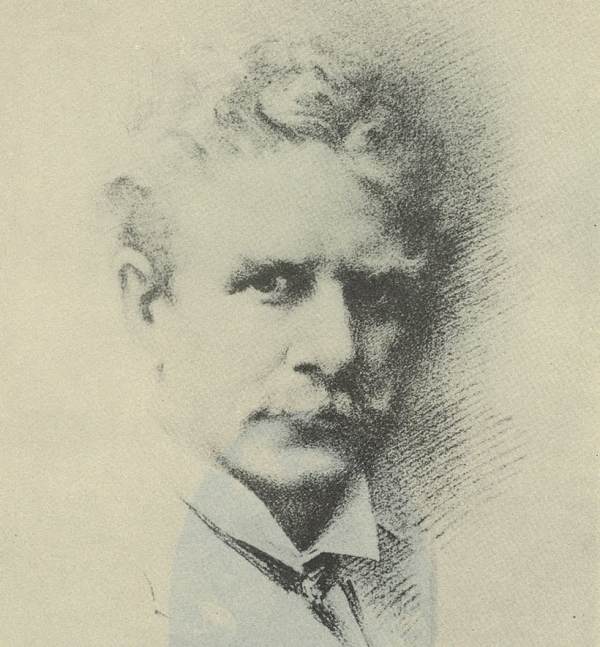
The best fiction and writing blog posts from around the ‘net, all guaranteed to make you a literary adventurer. Compiled by ambrose.
Michael Chabon and Neil Gaiman: Video Tribute to Terry Pratchett
P.J. Parrish: What does your character want?
Alice Osborn: 5 Tips on How to Make a Living as an Author
Rod Dreher: First You Change the Language…
James Machin: H. P. Lovecraft’s pivotal moment
Jami Gold: Write what you want to learn about
Stephen Masty: Awareness of the Past Heightens Creativity
Jacqueline Seewald: Overcoming Writer’s Block (Part 2)
Indiana Jones, please call your office. From The Telegraph.
We’ve lost a gifted but underappreciated songwriter. His name is one you may not recognize: Michael Brown:
Michael Brown, a songwriter and keyboardist for the “baroque rock” band the Left Banke who co-wrote its 1966 pop hit “Walk Away Renee,” died March 19 at his home in Englewood, N.J. He was 65.
The cause was a heart ailment, a family spokeswoman said.
Mr. Brown was born Michael Lookofsky and grew up in Brooklyn. He was a classically trained keyboardist, and his father ran a New York music studio where the Left Banke recorded.
Brown will be remembered for “Walk Away Renee,” a tearful and lovely song about a couple breaking up. But in my opinion, Brown’s most moving and magical creation was “Pretty Ballerina.” For me, this wistful, haunting melody still defines the late 60s. I can still hear it playing on the radio of my father’s 1968 Buick Skylark. It’s a sweltering summer afternoon, and I can see the girls at my high school I was too shy to approach smiling back at me.
Here’s to you, Michael. Thanks for the memories.
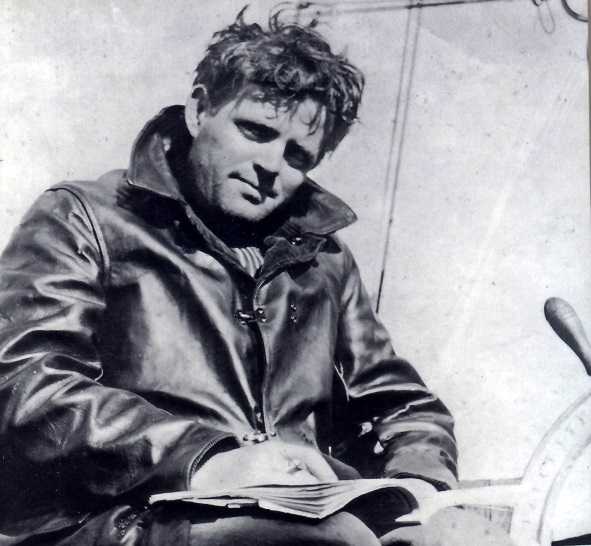
The best fiction and writing blog posts from around the ‘net, all guaranteed to make you a literary adventurer. Compiled by jack.
Andrew Solomon: Advice for Young Writers
Coastal Mom: The Way We Write
Jeff Wills: A Winter’s Morning Walk [Beautiful. Don’t miss!]
Dave’s Corner of the Universe: Geek Obscura: UFO
James Scott Bell: Top Ten Things You Need to Know About Characters
In My Cluttered Attic: Its National Visit MY Blog Day!
A Vase of Wildflowers: Links for Readers and Writers
Clare Langley-Hawthorne: Reimagining the Past
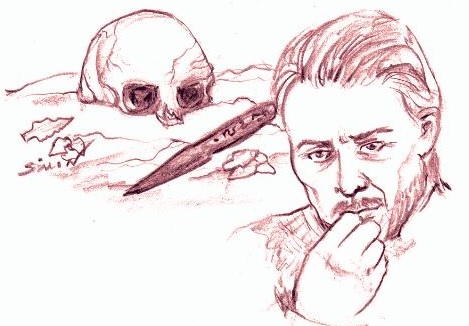
“Bret Lassiter,” by Marge Simon
I think writers are as necessary as doctors. Like a doctor, the writer performs the vital functions of diagnosing patients, advising them, and healing them.
Diagnosing: Through the generations, writers, like doctors, pretty much say the same things over and over, but in fresh, personal language. That’s because the human condition does not change. We must be told we are mortal, that we can and will get hurt, and that we should take better care of ourselves and loved ones.
Ernest Hemingway’s magnificent tale of war and loss in A Farewell To Arms remains one of the most powerful and vivid tales of the madness of World War I. Of course, its narrative is timeless because humanity is still being dazed and bloodied by conflict and loss. I still recall reading that book in high school, and how it shook me to the core the way it made the abstraction of death real. In the powerful final scene, the protagonist, Frederic Henry, makes the nurses leave the room where his wife has died in childbirth. He is determined to say goodbye. However, something is wrong:
But after I had got them out and shut the door and turned off the light it wasn’t any good. It was like saying good-bye to a statue. After a while I went out and left the hospital and walked back to the hotel in the rain.
Feel the lid of the coffin slamming down? The “statue” image chilled my marrow at age 17. An invaluable lesson.
Advising: Because death and suffering are real, the writer, like a good doctor, must caution readers about what they should and should not do. Sometimes we don’t listen, and need to be slapped in the face and reminded there are certain risks we’re taking without thinking about the possible consequences. Larry Niven’s “Bordered in Black” is one breathtaking example. I won’t give away the plot, but the story begins with Earth’s most famous astronaut destroying the first faster-than-light ship, from which he’s just explored the farthest reaches of space. Niven’s advice is this: Out there in the dark unknown, in alien places where the light from the nuclear fires we call stars cannot reach, there may have arisen Beings that are nothing like the cuddly ET. Nothing at all.
Something to think about before we broadcast more “Come on down!” messages from our radio telescopes.
Healing: And finally, no matter how well we take care of ourselves, pain and loss will find us. One story I enjoy re-reading is Yukio Mishima’s “Death in Midsummer,” which is about the accidental drowning of two children. The parents struggle to recover, and are finally able to return to the beach where their children died:
From beneath the clouds, the sea came toward them, far wider and more changeless than the land. The land never seems to take the sea, even its inlets. Particularly along a wide bow of coast, the sea sweeps in from everywhere.
The waves came up, broke, fell back. Their thunder was like the intense quiet of the summer sun, hardly a noise at all. Rather an earsplitting silence. A lyrical transformation of the waves, not waves, but rather ripples one might call the light derisive laughter of the waves at themselves – ripples came up to their feet and retreated again.
Those lines, I think, illustrate the surprising and timeless beauty that can emerge from harsh reality. By confronting our mortal condition, we appreciate more intently what it means to live. Finding that beauty is often difficult and fleeting, but it is possible, and literature helps us see it.
And those are the reasons I read. And write.

Nicola Alter offers two lists of movies well worth your time. Her Top 25 Fantasy Movies and Top 25 Science Fiction Movies provide an excellent introduction to some of the best sci-fi/fantasy stories on film. I know I’ll be on the Netflix website ordering the classics I never got around to seeing — and (I hate to admit!) I’ll also re-order some I’ve forgotten over the years. Hey, it happens.
I do have one little quibble with her remarks on the X-Men movies: “I can’t separate out the different films here as I love them all. I’ll never get sick of going to see new X-men films, because they never disappoint.”
Okay, the first X-Men was an A- and the second was an A+ — in my opinion, a better superhero movie than the over-rated Superman of 1978. But number three, The Last Stand, despite great casting, was a nonsensical and confused clump of special effects. It was more like vandalism than movie-making.
Quibble aside, you’ll have to check out these two posts.

The best fiction and writing blog posts from around the ‘net, all guaranteed to make you a literary rock star. Compiled by the dude.
James Scott Bell: Where Do You Get Your Ideas?
Stephen King: Everything you need to know to write successfully
Bob Mayer: What is your process as a writer?
Sue Vincent: How to make a living as a writer
Jacqueline Seewald: How to overcome writer’s block
Jeff Wills: Finding your style
A.D. Martin: Symbolism in novels
Lincoln Michel: Literary Links from Around the Web
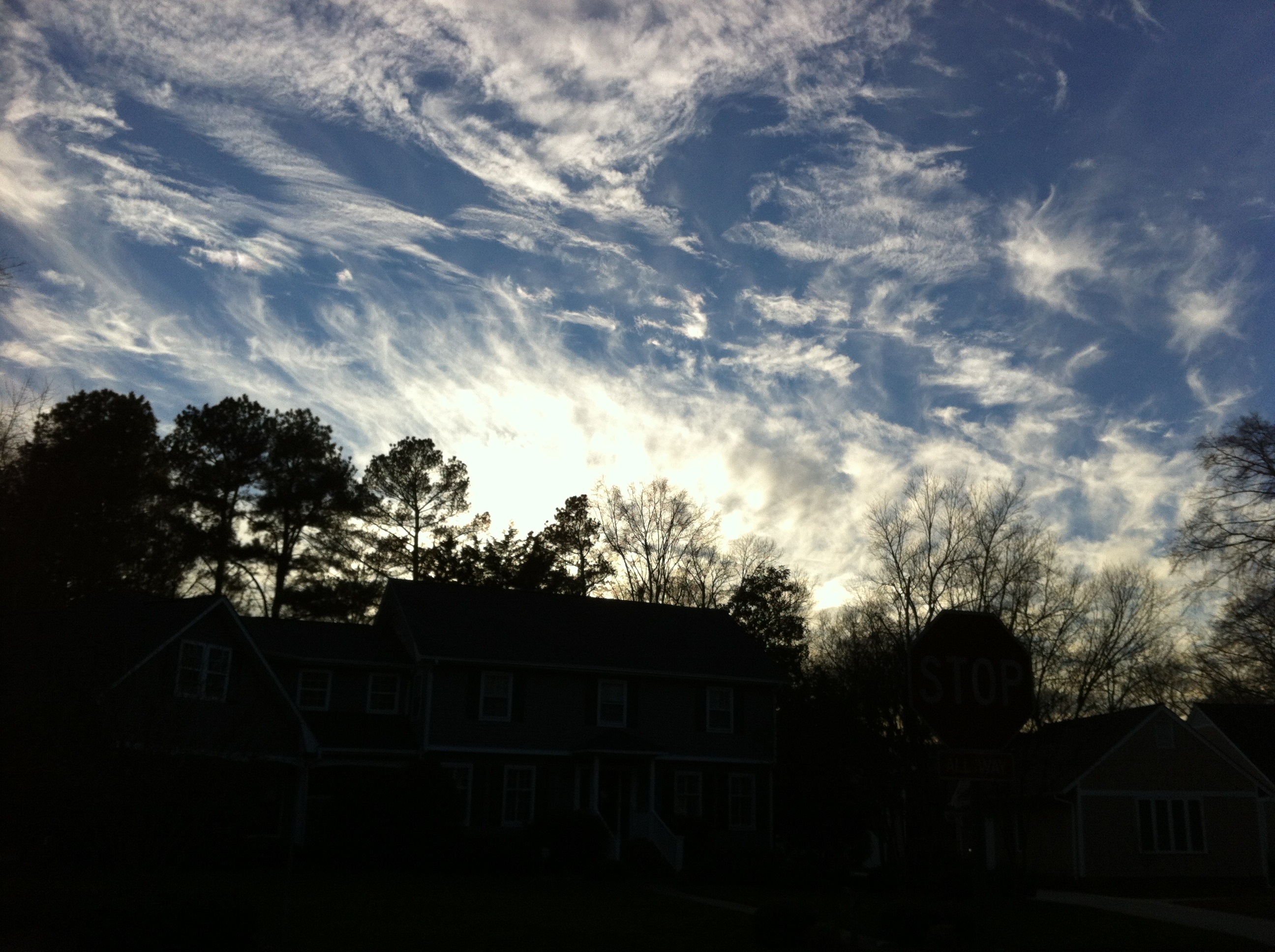
“You cannot see clearly until and unless you are convinced that there is something to be seen — that is, that there is a reality independent of yourself that must be discovered.” Rod Dreher, author of How Dante Can Save Your Life
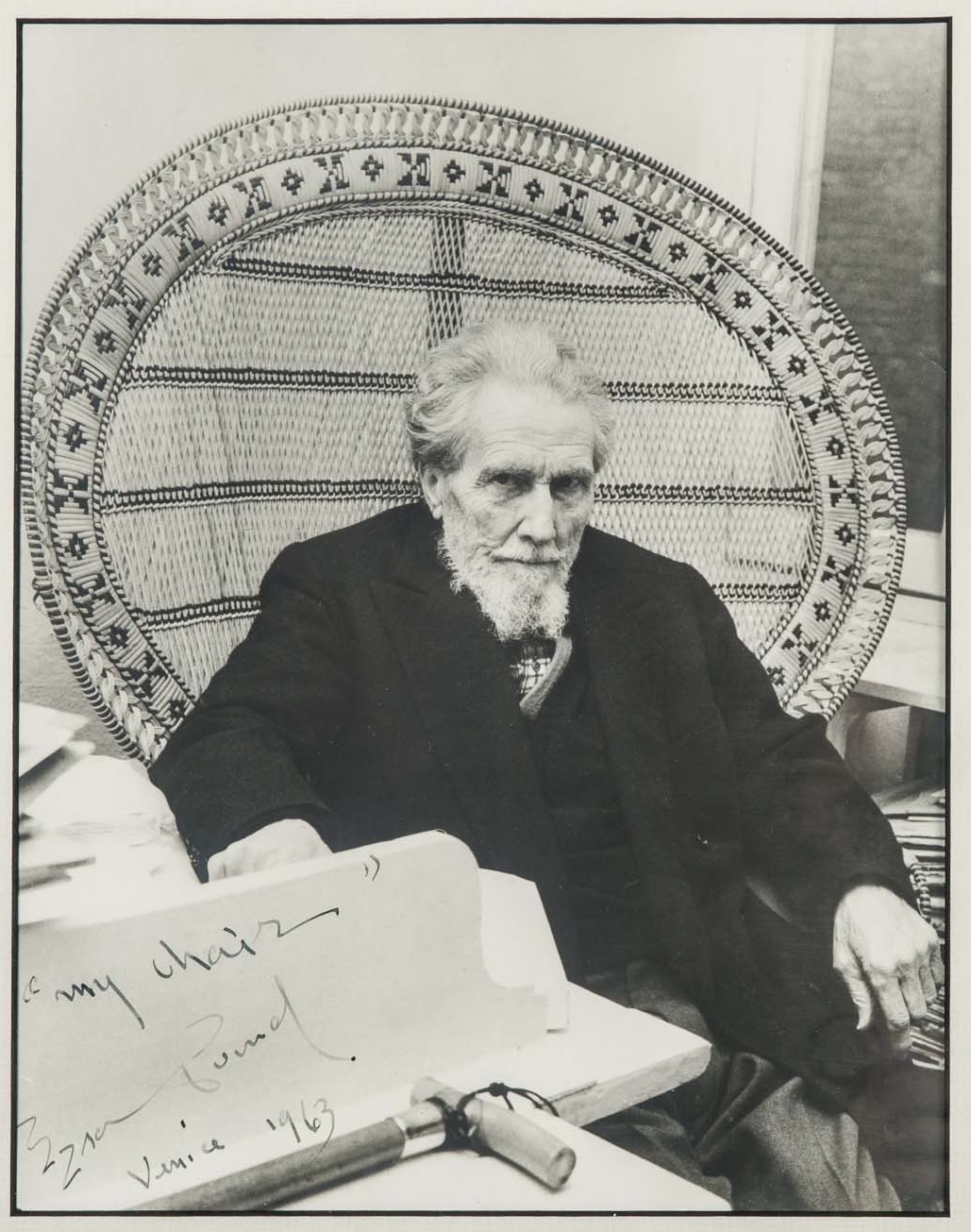
The best fiction and writing blog posts from around the ‘net, all guaranteed to make you a literary rock star. Compiled by old ezra
A.E. Stueve: Rethinking the Plot Pyramid, Part 2
A Vase of Wildflowers: Links for Readers and Writers
Sue Vincent: How to write wrinkles
Elizabeth Preston: Writing a Kissing Scene
Alice Osborn: 6 Tips for Creating Knock-out Book Trailers
Jami Gold: Planning your Story
James Scott Bell: The Ten Commandments of Writing Failure
Ryan Britt: How Leonard Nimoy’s Spock Taught Me to Be a Writer
 M.C. Tuggle, Writer