
I was intrigued by this observation from author Walter Stephens:
Writing evolved to perform tasks that were difficult or impossible to accomplish without it; at some level, it is now essential for anything that human societies do, except in certain increasingly threatened cultures of hunter-gatherers. Without writing, modern civilization has amnesia; complex tasks need stable, reliable, long-term memory.
Think about the octopus. It’s a remarkably intelligent creature, but its short life span precludes it from creating an enduring civilization. Imagine a human child that had to discover for itself how to make fire, the wheel, or language. As Stephens puts it, “Writing enabled memory to outlast the human voice and transcend the individual person.” Tradition, our inheritance from countless forbears, is the infrastructure that makes us fully human. Without it, we’d be in the same boat as the octopus. Except we wouldn’t have boats.
As Stephens reminds us in his thought-provoking article, the written word is the most powerful tool — or weapon — we have yet created. No wonder we view language as a “wondrous, mystic art.”
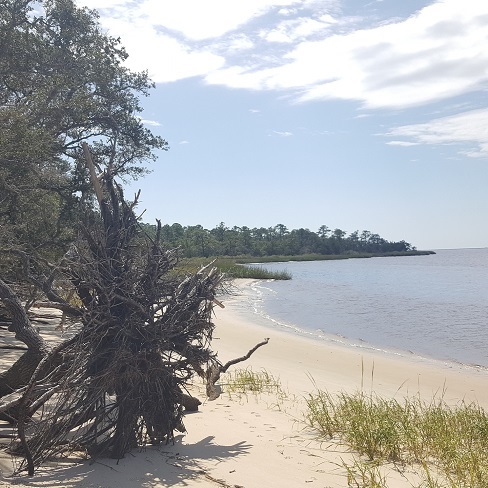
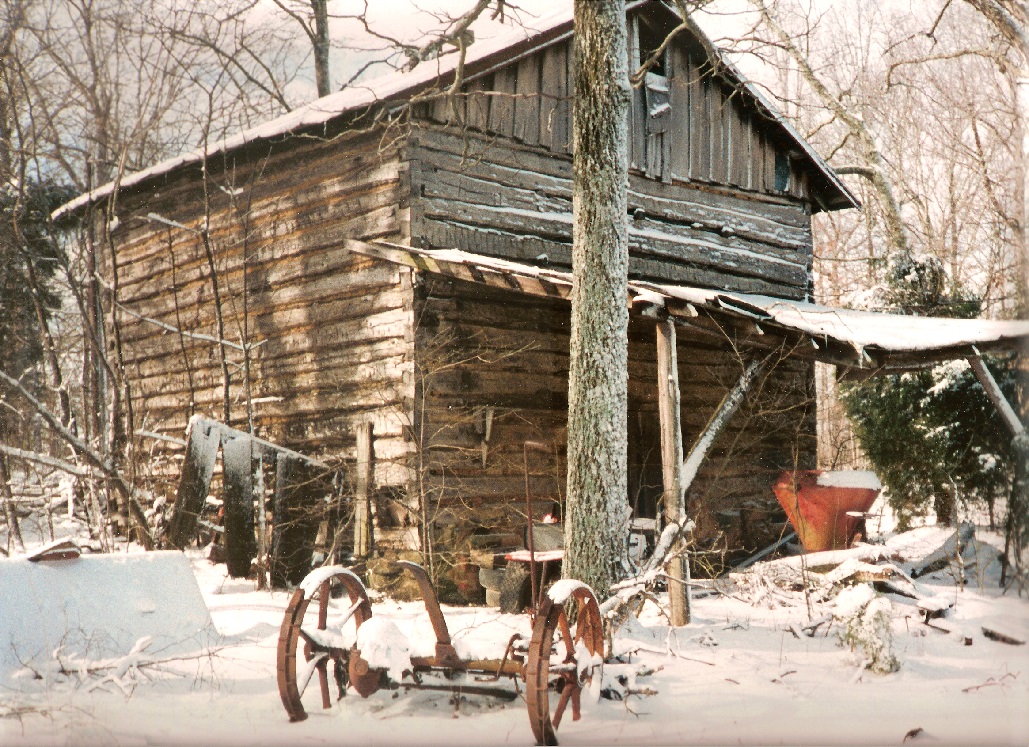
Wondrous indeed. And surely an art. Early on, I was fascinated by stories, and still love reading and writing. Words enable us to connect with the past, the present, and the future, and allow the individual to pass on the things that enchant and delight us. I love describing the joys and terrors of life, from the roar of a storm on Onslow Bay, the smell of a wood campfire at a mountain camp, or the taste of a steamed oyster. And while passing our thoughts and feelings to others is an essential life skill, the art of writing is a life-long pursuit. As Hemingway once put it, “We are all apprentices in a craft where no one ever becomes a master.”
It’s a journey that will never end.





 M.C. Tuggle, Writer