Category Archives: Fiction

Fictional Atonement

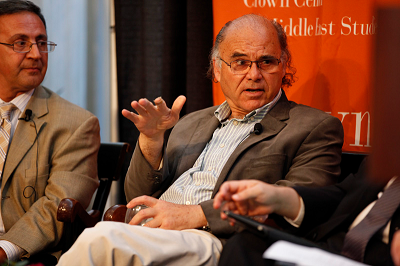
Kanan Mikaya

Kanan Makiya is a professor of Islamic and Middle Eastern Studies at Brandeis University who was an early and vocal proponent of the 2003 Iraq War. In fact, he was in the Oval Office with George W. Bush when both received news that Baghdad had fallen to American forces. No doubt the two congratulated each other at the time.

Then came the aftermath, as this New York Times article relates:

For years afterward, as Iraq fell apart, Mr. Makiya’s pen went silent while he struggled to make sense of what happened and his own role in the catastrophe.

As a Middle East scholar at Brandeis University, Mr. Makiya is a man of facts and history. Ultimately, though, he decided the best way to express what he felt became of Iraq was to write fiction. Only with a novel, he says, could he access “the larger meanings and deeper truths about what went wrong post-2003.”

The book is also an apology, and represents a decade of introspection for a man whose life’s work was closely associated with a costly war that was justified by the false assertion that Mr. Hussein had weapons of mass destruction and was a threat to the United States.

That says a lot about the act of writing, doesn’t it? Dr. Mikaya could have written a scholarly account explaining what went wrong in the war he advocated. But that just wasn’t enough. Mikaya had to redo the Iraq War. He had to creatively re-arrange the facts — to play with them. Fiction writing is a type of play, which development psychologists now recognize as a vital part of learning. And play isn’t just for kids — creative exploration of the world around us is both therapy and mental exercise that adults need as well.

There’s a redemptive aspect to fiction writing, also, which I believe Dr. Mikaya would acknowledge. It’s a means of making right those things from our past that still gnaw at us.

[SPOILER ALERT!]

In the novel and movie Atonement, Ian McEwan explored that aspect of writing. It’s the tale of Briony Tallis, a young girl who spitefully and wrongfully accuses her sister’s suitor of rape. That, of course, ends the wedding plans and ruins the life of both the sister, Cecilia, and her suitor, Robbie.

At the end of the story, Cecilia and Robbie are happily reunited. Then comes this admission from an elderly Briony, now a writer:

My sister and Robbie were never able to have the time together they both so longed for, and deserved. And which, ever since, I’ve… Ever since I’ve always felt I prevented. But what sense of hope, or satisfaction, could a reader derive from an ending like that? So, in the book, I wanted to give Robbie and Cecilia what they lost out on in life. I’d like to think this isn’t weakness or evasion, but a final act of kindness. I gave them their happiness.

I think Flannery O’Connor was right when she said, “There is something in us, as storytellers and as listeners to stories, that demands the redemptive act, that demands that what falls at least be offered the chance to be restored.” Atonement, whose meaning includes both paying what’s owed and seeking forgiveness, is at the heart of writing.
Best Fiction and Writing Blogs

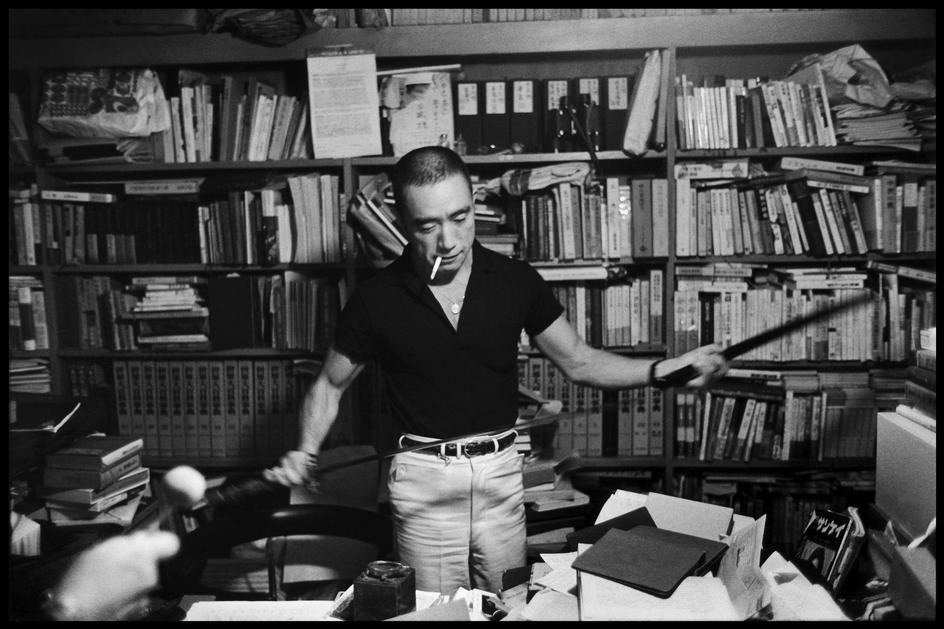
MishimaOffice

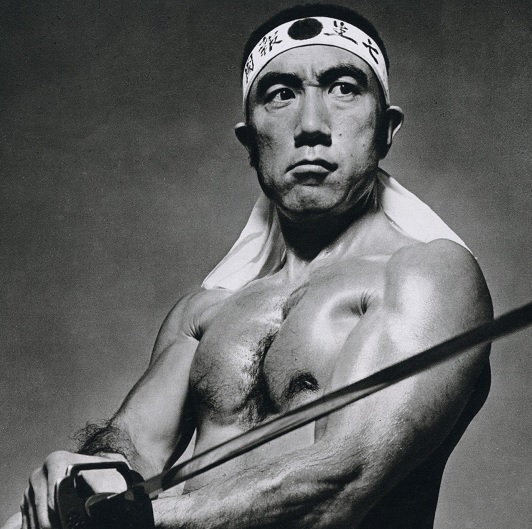
The best fiction and writing blog posts from around the ‘net, with advice and inspiration guaranteed to make you a literary black belt. Compiled by yukio.

Cady VishniacSome Myths About Your Submissions
A. J. Humpage Focusing On Small Details
Marcy KennedyHow To Evoke Emotions In Readers
Elizabeth SvobodaHow Stories Change Our Brains
Ryan LanzWriting With Heart: Creating An Emotionally Engaging Character
Brett and Kate McKayWhy Every Man Should Study Classical Culture
Whitney CarterWorldBuilding: Crafting Magic
Yukio MishimaAbout Life And Writing

Best Fiction and Writing Blogs

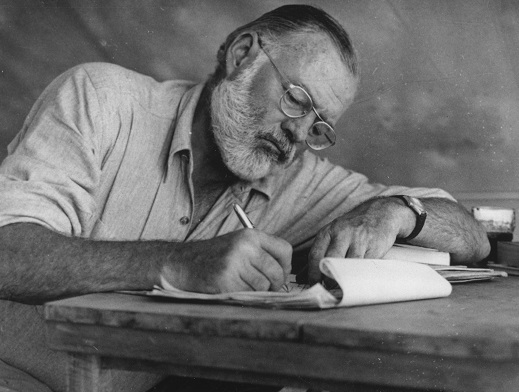
Hemingway Writing

The best fiction and writing blog posts from around the ‘net, with advice and inspiration guaranteed to make you a literary adventurer. Compiled by ernie.

Jeremy AnderbergThe Libraries of Famous Men: Ernest Hemingway
Krishan CouplandHow to Submit Your Writing
P. S. HoffmanHow I Learned to Stop Worrying and Love the Outline
J.C. Wolfe7 Ways I Find Writers’ Blogs
Jami GoldWhat Does Your Genre’s Theme Promise to Readers?
Cathleen TownsendEditor’s List of Common Mistakes
A. J. HumpageThe Art of Captivating First Lines

Best Fiction and Writing Blogs

Howard

The best fiction and writing blog posts from around the ‘net, all guaranteed to make you a literary cult figure. Compiled by bob.

Bob MayerGive Your Protagonist An Anomaly
Jami GoldStory Description: Finding the Right Balance
LionAroundWritingThe Perfect Story
June Lorraine RobertsChain gang: authors/writers talk about their work
GeekritiqueThe Most Anticipated Science Fiction and Fantasy Books of 2016
Nicholas ConleyThe Writer’s Role in Society
CreativeWriter3 Quotes, 3 Days Challenge
Tony TulathimutteHow to name your fictional characters

Quote of the day

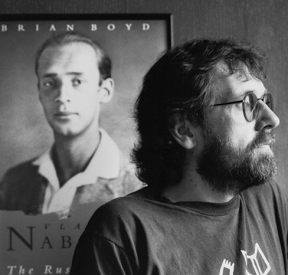
Brian Boyd

“Everything is humanities. The sciences are a form of the humanities. They involve traditions of inquiry; they involve social engagement with ideas. They do not happen with a naked brain going out and encountering a nonhuman world. And the better we understand ourselves, the better we can do science, as well. So I don’t see them—the sciences and the humanities—as being at all different.” Brian Boyd, author and Professor of English at the University of Auckland.

The spirit of C. P. Snow lives!

Notes From The Underground

Notes From The Underground

Space Squid Magazine has published my story Notes From The Underground as its featured story of the month.

Here’s how I came to write it. While researching an alt history novel I’m working on, I saw a video about Japanese Kamikaze pilots saying good-bye to their loved ones and dedicating their lives to their nation in a solemn ritual before taking off. It was deeply moving to see those young men preparing for death. I could not help but recall Mishima’s Patriotism.

A few days later, I read an Atlantic article entitled How Indie Rock Changed The World. That’s when the scenario and characters came to me. Several of my interests, including music, history, electronics, and writing converged into a gritty, yet hopeful, post-apocalyptic tale. I hope you enjoy it.

Best Fiction and Writing Blogs

mishima

The best fiction and writing blog posts from around the ‘net, with advice and inspiration guaranteed to make you a literary ninja. Compiled by mishima.

Nihar PradhanTravelling, Photographing & Writing
Jon Westenberg30 Reasons Why I Write
Marcy KennedyInternal Dialogue: The Secret Sauce to Fixing Problems?
James Royce PattersonFive Ways To Improve Your Writing’s Flow
DamyantiHave You Always Been A Writer?
C.S. WildeHow I Write
K.L. RegisterWhy Do You Write?
Samantha WhoThe Keeper of Lost Causes

Best Fiction and Writing Blogs

JeffnBev

The best fiction and writing posts from around the ‘net, with advice and inspiration guaranteed to make you a literary rock star. Compiled by the dude.

A. J. Humpage10 Reasons Why Stories Fail
Alice OsbornDon’t You Dare Double Space After a Period!
Wallace Cass Jr.Fighting Procrastination and Writer’s Block
Jacqui MurrayWriter’s Tip #75: Break the Rules
Kirsten SlaterMy Night Time Dreams
Chris NicholasPaper Trails
phantomwriter143Submitting Your Manuscript
Nicola AlterA Workshop with Garth Nix