
“Be a force of nature instead of a feverish, selfish little clod of ailments and grievances complaining that the world will not devote itself to making you happy.” — George Bernard Shaw
“Be a force of nature instead of a feverish, selfish little clod of ailments and grievances complaining that the world will not devote itself to making you happy.” — George Bernard Shaw
Here’s a battle every writer faces: What do you do when you can’t find your muse? We’ve all been stuck when the words just won’t come. What to do? Even when we consult the experts, we can’t get a definitive answer. Here are two extreme approaches to the problem, each from an accomplished author. First, let’s hear from one of the greatest voices in Southern literature, and one of my favorites, Flannery O’Connor:
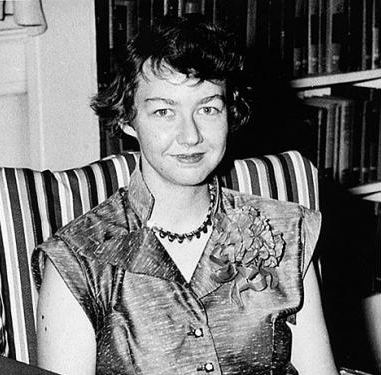
“I must do do do and yet there is the brick wall that I must kick over stone by stone. It is I who has built the wall and I who must tear it down. I must force my loose mind into its overalls and get going.” – Flannery O’Connor
Then there’s this from poet, novelist, and literary bad boy Charles Bukowski:

“You don’t try. That’s very important: not to try, either for Cadillacs, creation or immortality. You wait, and if nothing happens, you wait some more.” – Charles Bukowski
So – when you’re hit with a bad case of writer’s block, should you damn the torpedoes and do SOMETHING, ANYTHING, or do you wait for inspiration?
Bukowski felt that a writer shouldn’t ruin a perfectly good piece of paper with overworked, forced attempts at self-expression, advising instead to let the psychic pressure build within until the words “come bursting out of you.” On the other hand, farm owner Flannery O’Connor saw writing like any other chore, which required rolling up one’s sleeves and wading into the task and not quitting until it was done.
I think the real lesson here is that writing, like any other artistic endeavor, is a craft and calling defying all formulas. Effective personal expression demands a personal approach, and discovering your own requires dedication and effort and plenty of wrong moves. As for myself, I can go for agonizing weeks researching and plotting and outlining before I dare put down the first word. Even then, it takes a while until I gain insights into characterization, setting, and crucial plot points. Then, gradually, momentum builds, and, when it works, I’m absorbed in a half-formed world that slowly reveals what I must do to help finish it.
Bottom line? Until the writing lifestyle helps you discover your own particular approach, remember the counsel of author Elissa Schappell: “The muse only shows up when you put your ass in the chair.”
“A successful writer is one who finishes what they start while striving to improve their craft. It’s as simple as that. And the only one who can stop you from doing this is you.” – Hugh Howey

“Writing well is simple. Just picture an ideal reader giggling with delight and gasping with awe, and work backwards from there.” – Geoffrey Miller, evolutionary psychologist

The best fiction and writing blog posts from around the ‘net, all guaranteed to make you a literary legend. Compiled by ed.
Diana Peach – World-building: From Imagination to Reality
Evan DeHaven – The Stupidity of Removing Shakespeare
D. E. Haggerty – Tips for making your blog title catchy
Angie Dokos – The Best Things About Reading
Aquileana – Psychopomps in Mythology
Dan Alatorre – Finish One Story, Don’t Chase Ten
Edgar Allan Poe– How to write a short story
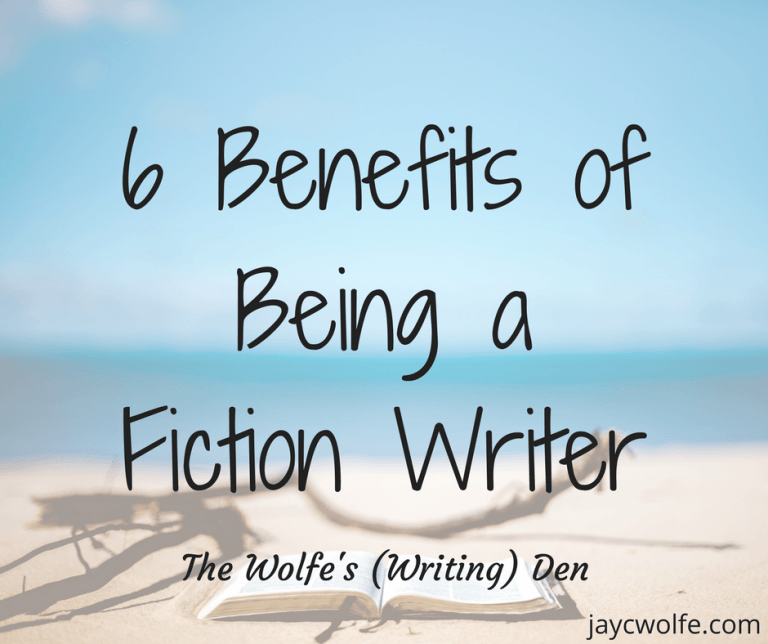
I have to share this excellent post from author J.C. Wolfe. No “fluffy stuff” here — these are real but often overlooked plusses of the writing life. Enjoy!

The best fiction and writing blog posts from around the ‘net, all guaranteed to make you a literary legend. Compiled by john.
Evie Gaughan – The Definitive Self-Publishing Checklist
Millie Schmidt – Are you a ‘writer in the closet’?
S. J. Higbee – Heinlein’s Starship Troopers in the US and UK
J. A. Allen – 8 Things You Must Do Before You Write
Sheron McCartha – Good News for Indies
Dave Astor – Characters Who Make a Big Impression in a Small Amount of Time
Ed A. Murray – 3 simple tips for writing around a busy schedule
Alicia Gaile – Walking the Line: How I Outline the First Draft
J. R. R. Tolkien – Tolkien’s 10 Tips for Writers
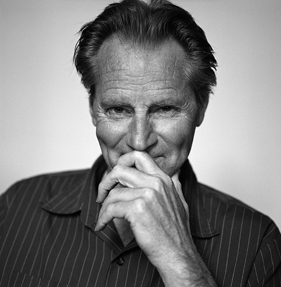
“I feel like there are territories within us that are totally unknown. Huge, mysterious and dangerous territories. We think we know ourselves, when we really know only this little bitty part.” Sam Shepard
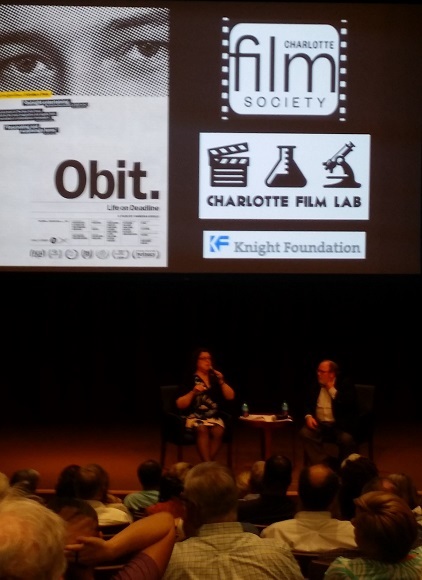
My wife and I caught a pre-screening of the documentary “Obit” last night. It introduces the general public to the people and the process of crafting the obituaries of both famous and significant people who have died.
Now from that lede, you’re probably thinking this must be a yawner of a movie. In fact, it’s not only one of the most entertaining movies I’ve seen in years, it’s also an illuminating commentary on writing. In the picture above, New York Times reporter Margalit Fox fields questions from the audience. She’s the “baby” of the obituary staff, and gets much face time in the documentary.
She shared a few insider jokes that reveal much about writing. One involved a talented newcomer to the news business. He was not only a gifted writer, but took pride in thorough research. Despite his heroic efforts, he kept getting angry calls from readers about inaccurate statements in his stories. When he sought the advice of an old-timer, the pro sat back in his chair, put his hands behind his head, and said, “Kid, it’s real simple. Quit putting in too many facts.”
Margalit offered a useful example of what the old pro meant. In one of her first obits, she identified the deceased’s father as a “Democratic congressman from Illinois.” An irritated relative informed Margalit that her uncle had in fact been a Republican. “I assumed he was a Democrat because he was from Illinois,” confessed Margalit. “But my obit would’ve been just as good if I’d only described the deceased’s father as ‘a congressman from Illinois.'” Lesson learned: Less is better.
Another joke was about an experienced reporter whose editor told him to write a short report on a breaking story. “I can give you a 5,000-word story,” said the reporter. “I don’t have enough time to write a short report.” He had a point — short works are hard to do.
Bottom line, don’t miss this documentary. The characters (starting with the madcap manager of the New York Times’s morgue), the tension created by meeting deadlines while treating the bereaved family with respect and sympathy, and the fundamental difficulty of “getting the words right” make “Obit” a must see. Highly recommended.

Anne R. Allen observes that the art of fiction is constantly evolving, and that the alert writer must adapt to the times:
Fiction writing has gone through vast changes since Tolstoy’s day.
In fact, it has changed a good deal in the last decade.
Amy Collins at The Book Designer reports the average NYT Bestseller is now half as long as it was in 2011.
And the brand new Smashwords survey shows bestselling romance novels have decreased by 20,000 words since 2012.
The fastest growing fiction form right now is the novella.
If you want to sell books in the 21st century, you need to write books for the 21st century reader.
Whether we want to write potboilers or a future classic, we all want more people to read our work. So it only makes sense to learn what folks want to read. e.e. cummings once noted that poets not only have to compete with other fine poets for their readers’ attention, but also with “flowers and balloons and mud puddles and train rides.” And in the Internet Age, there are countless other contenders for increasingly brief attention spans, so Anne’s advice is crucial.
And there’s an added benefit to learning to say more with less: It makes you a better writer. Writing short stories, and then flash fiction — a form I once thought I’d never enjoy reading, much less enjoy writing — no doubt taught me to make every word count. And this week, I tried my hand at microfiction, with a story weighing in at less than 500 words. The process of selecting and marshalling your words within strict restraints is a demanding challenge and illuminating joy. Try it!
By the way, you’ll want to read all of Anne’s great article. As usual, she’s peppered it with links to fantastic resources and examples for both the beginning and seasoned writer.
 M.C. Tuggle, Writer